Let’s get real for a second. The average American wedding in 2026 is currently hovering around a staggering $36,000. If that number doesn't make your stomach do a somersault, this might: nearly 45% of engaged couples are walking down the aisle and straight into a mountain of high-interest debt.
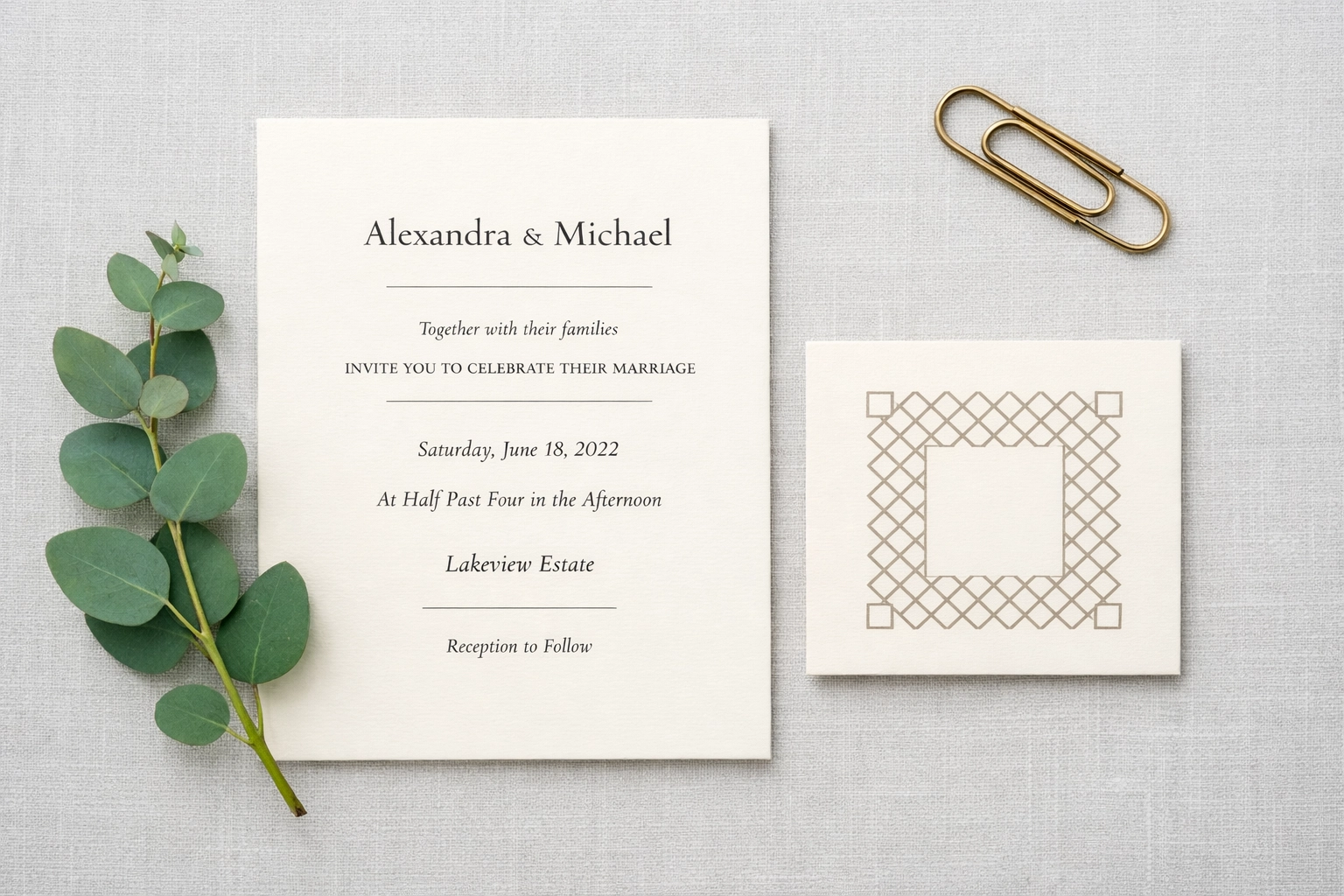
We’re talking about starting a marriage with a financial ball and chain before you’ve even cut the cake. Why do couples do it? Because the "traditional" industry tells you that you need the heavy cardstock, the calligraphy, the $1,000 postage bill, and the silence from guests that leads to over-ordering food.
Here’s the kicker: that old-school way of doing things isn't just outdated; it’s a raw deal. It's designed to keep you spending money you don't have. But what if I told you that a simple shift to online RSVPs could be the very thing that saves your budget and actually helps fund your big day?
At The Wedding Ticket, we believe you shouldn't have to choose between a beautiful celebration and a solid financial future. It’s time to stop the bleeding. In this guide, I’m going to show you exactly how to set up digital RSVPs in 5 easy steps and, more importantly, how to use them as a shield against the $36,000 debt trap.

The Crisis: Why Traditional Planning is Breaking the Bank
Before we dive into the "how-to," we need to address the "why." Why is the industry so obsessed with paper? Because paper is expensive, and expensive feels "luxury." But you know what isn't luxury? Paying 24% APR on a credit card for the next five years because you spent $2,000 on invitations and stamps that half your guests will lose anyway.
When you use paper RSVPs, you lose visibility. You don’t know your final headcount until the last minute, leading to "buffer" guest counts that caterers love to charge you for. Every unreturned RSVP is a $150 plate of salmon that goes to waste. That is literal money down the drain.
Digital RSVPs aren't just a convenience; they are a movement. They represent a shift toward smart, intentional planning where every guest interaction is an opportunity to streamline your costs and increase your funding. If you’re wondering how to pay for a wedding without going broke, the answer starts with your guest list.
Step 1: Choose a Platform Built for Funding (Not Just RSVPs)
Not all wedding websites are created equal. If you pick a platform that just lets people check "Yes" or "No," you’re missing out. You need a platform that integrates your RSVP flow with your funding strategy.
When choosing your platform (think The Knot, Zola, or custom options), look for the ability to:
- Embed registry links directly into the RSVP confirmation page.
- Include custom questions (more on that in Step 3).
- Provide real-time data exports.
The goal here is to make the transition from "I'm coming to the wedding" to "I want to help fund the honeymoon" as seamless as possible. Most couples treat these as two separate things, but smart couples know they are one and the same. By choosing a platform that handles both, you’re already miles ahead of the debt-prone masses.

Step 2: Clean Your Guest List and Go Digital-First
The biggest hidden cost in any wedding is the guest list. Every person you add isn't just a chair; they are a meal, a drink, a favor, and a share of the venue cost.
Once you’ve picked your platform, it’s time to upload your list. Most sites allow you to upload a simple CSV file. Stop right there. Before you hit upload, look at that list. Are you inviting your dad’s boss's cousin just because of "tradition"?
By moving to online RSVPs, you can be more agile. You can send out "A-List" invites digitally, see the responses in real-time, and if you get a "No," you can instantly send out a "B-List" invite without waiting three weeks for the mail to churn. This prevents you from overpaying for a venue minimum you can't fill. This is how you fund your dream wedding without the $36,000 debt trap.
Step 3: Customize Your RSVP Page for Strategic Funding
This is where the magic happens. Your RSVP page is the most visited page on your wedding website. Use that real estate!
Instead of just asking for a meal choice, use this touchpoint to guide your guests toward your funding goals.
- The "Honeymoon Fund" Prompt: After they click "Submit," have a pop-up or a clear link that says, "We’re so excited to see you! In lieu of boxed gifts, we’re focusing on building our future together. Check out our Honeymoon Fund here."
- The Experience Question: Ask, "What part of the wedding are you most excited for? (The Taco Bar / The Live Band / The Late Night Pizza)." This isn't just a fun question: it’s market research. If no one cares about the expensive late-night pizza, cut it from the budget immediately.
By integrating these prompts, you’re turning a simple admin task into a fully funded wedding strategy. It’s not about being "tacky"; it’s about being transparent. Guests actually prefer knowing exactly how they can help you succeed as a new couple.

Step 4: The QR Code Revolution (Communication is Key)
So why do so many couples still struggle with RSVPs? Because they make it hard for the guest. If you want 100% response rates (which leads to 100% budget accuracy), you need to meet them where they are: on their phones.
Print a simple QR code on your "Save the Date" or a small enclosure card.
- No stamps to lick.
- No trips to the post office.
- No "lost in the mail" excuses.
When a guest scans that code, they are taken directly to your site. The speed of digital responses allows you to finalize your catering numbers weeks earlier than traditional methods. This gives you leverage to negotiate lower costs with vendors who appreciate the early heads-up. If you’re still skeptical, check out why online RSVPs will change the way you fund your wedding.
Step 5: Use Real-Time Data to Kill Hidden Costs
The final step is management. With traditional RSVPs, you’re often playing a guessing game until 10 days before the wedding. That’s a nightmare for your budget.
With an online system, you can see the data as it happens.
- Track the "No"s: Every "No" is money back in your pocket. Instead of spending that "saved" money elsewhere, put it directly into your wedding emergency fund or use it to pay off a vendor early to avoid interest.
- Automated Reminders: Most digital platforms will automatically nudge guests who haven't responded. This saves you the awkward "Are you coming?" phone calls and ensures you aren't paying for "ghost guests" who show up without a response.
By having a hard, digital number, you can tell your caterer, "We have exactly 112 people," rather than saying, "We’re expecting around 130." That difference of 18 people? At $150 a head, you just saved $2,700. That’s a mortgage payment. That’s a vacation. That’s your debt-free life starting right now.
The Bottom Line: Join the Movement
Look, the wedding industry wants you to think that spending more equals loving more. They want you to think that digital RSVPs are "informal." But there is nothing more romantic than starting a marriage with a $0 credit card balance and a fully funded savings account.
Setting up online RSVPs isn't just a tech hack; it’s a financial strategy. It’s about taking control of the guest list, the budget, and the funding from day one. You have the tools to avoid the debt trap that swallows so many couples whole.
So, what are you waiting for? Stop ordering the $8-per-piece stationery. Close the credit card applications. Go digital, get funded, and plan the wedding you actually want: without the financial hangover.
Ready to take the first step toward a debt-free wedding? Check out our Quick Start Guide to Digital Invites and start your journey today. Your future self (and your bank account) will thank you.